Overview
Polyvinyl Chloride (PVC) is one of the most widely used thermoplastic polymers globally, and its application in injection moulding is critical for manufacturing robust, durable, and cost-effective fittings. This page outlines the fundamental properties, specialized processes, and key considerations for utilizing PVC in the injection moulding of various fittings.
Why Choose PVC for Fittings?
PVC offers a unique combination of properties that make it an ideal material for fittings across various industries:
- Chemical Resistance: Excellent resistance to acids, alkalis, alcohols, and many other corrosive chemicals, making it perfect for industrial and plumbing applications.
- Mechanical Strength: High tensile strength and rigidity, especially in its unplasticized form (U-PVC).
- Durability & Longevity: Exceptional resistance to weathering, chemical rotting, corrosion, shock, and abrasion.
- Fire Safety: Inherently flame retardant due to its chlorine content.
- Cost-Effectiveness: Favorable cost-to-performance ratio compared to metals and other engineering plastics.
Types of PVC for Injection Moulding
The choice of PVC depends heavily on the specific application of the fitting:
- Unplasticized PVC (U-PVC / Rigid PVC):
- The most common type for structural fittings.
- Rigid, strong, and highly durable.
- Ideal for pressure pipes, drainage systems, and water mains fittings.
- Chlorinated PVC (C-PVC):
- Modified by chlorination for higher temperature resistance.
- Suitable for hot water delivery systems and industrial liquid handling.
The Injection Moulding Process for PVC
Injection moulding PVC requires specialized equipment and careful parameter control due to the polymer's thermal sensitivity.
1. Material Preparation
Unlike many polymers, PVC is highly sensitive to moisture and must be properly dried. Additives such as heat stabilizers, lubricants (internal and external), and impact modifiers are thoroughly blended into the PVC resin to ensure processability and achieve the desired physical properties.
2. Plasticization
Specialized screws with a specific geometry (lower compression ratio and deeper flights) are used to gently melt the PVC. The goal is to avoid excessive shear heat, which can cause the material to degrade prematurely.
3. Injection Phase
The molten PVC is injected into the mould cavity at a controlled, often slower injection speed to prevent burning (shear degradation) at the gates.
4. Cooling and Ejection
Moulds must be designed with efficient cooling channels. PVC shrinks relatively little compared to semicrystalline polymers like PE or PP, but proper cooling is essential to prevent warping before ejection.
Key Process Parameters & Equipment Requirements
- Temperature Control: Strict temperature management is the most critical factor. Barrel temperatures typically range from 170°C to 200°C. Exceeding the upper limits causes rapid thermal degradation, releasing corrosive hydrogen chloride (HCl) gas.
- Specialized Screws & Barrels: Equipment must be corrosion-resistant (e.g., chrome-plated or specialized alloys) to withstand potential HCl release.
- Mould Design:
- Gates: Generous gating (like sprue or large edge gates) is required to minimize shear stress.
- Venting: Excellent venting is critical to allow trapped air and potential off-gassing to escape, preventing burn marks (diesel effect).
- Material: Moulds are typically made from stainless steel or heavily chrome-plated steel to resist corrosion.
Common Challenges and Solutions
| Challenge | Cause | Solution |
|---|---|---|
| Thermal Degradation / Burning | Overheating, excessive residence time, high shear. | Lower barrel/nozzle temperatures, reduce screw RPM, increase gate size, optimize cycle time. |
| Corrosive Off-Gassing (HCl) | Material breakdown. | Ensure adequate thermal stabilization, use corrosion-resistant tooling, maintain strict temperature limits. |
| Flow Marks / Surface Defects | Cold material entering mould, poor venting. | Increase mould temperature, slow injection speed, improve mould venting. |
| Warping | Uneven cooling or high residual stress. | Optimize cooling channel design, adjust hold pressure and time. |
Applications of PVC Fittings
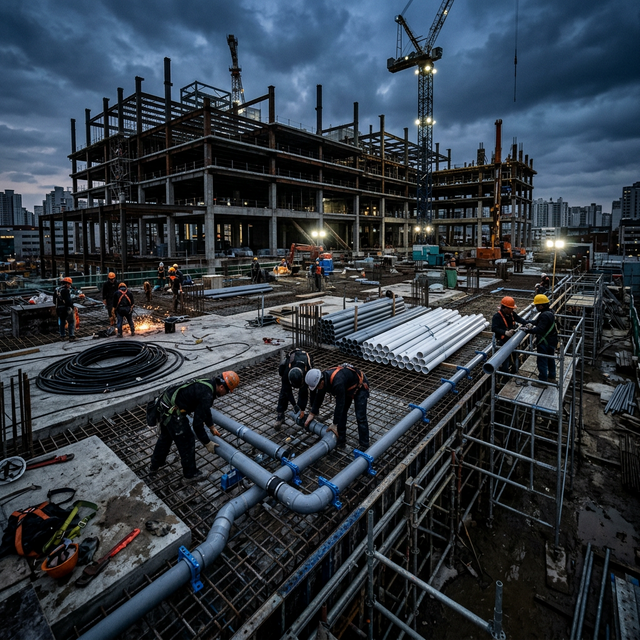
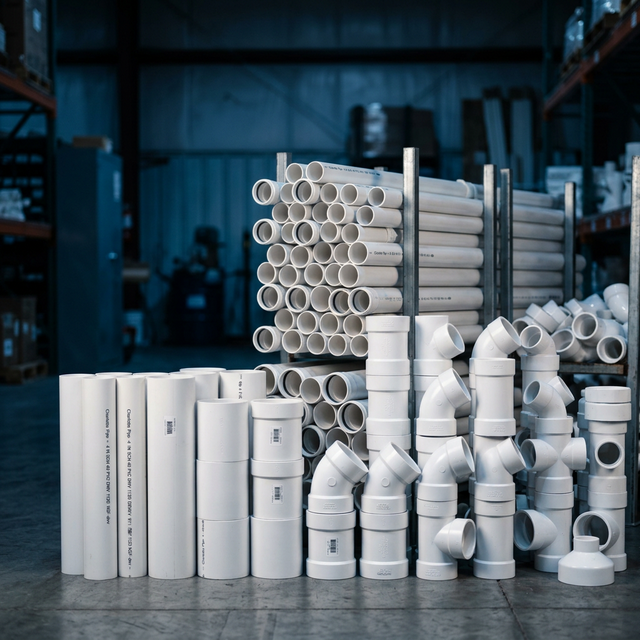
PVC fittings produced via injection moulding are ubiquitous. Key examples include:
- Plumbing & Water Supply: Elbows, tees, couplings, unions, and valves for potable water and drainage.
- Electrical Conduits: Junction boxes, bends, and connectors for electrical cable protection.
- Industrial Fluid Handling: Specialized chemical-resistant valves and pipe fittings.
- Medical Devices: Connectors and specialized flow-control components (often using plasticized PVC or specialized rigid grades).
PVC Compound
What is PVC Compound and Where is it Used?
PVC Compound is a versatile product produced by adding various additives to polyvinyl chloride (PVC) based materials. The basic structure of PVC becomes suitable for a much wider variety of applications with the addition of these components.
In this article, we will examine the properties, advantages, and usage areas of PVC Compound.
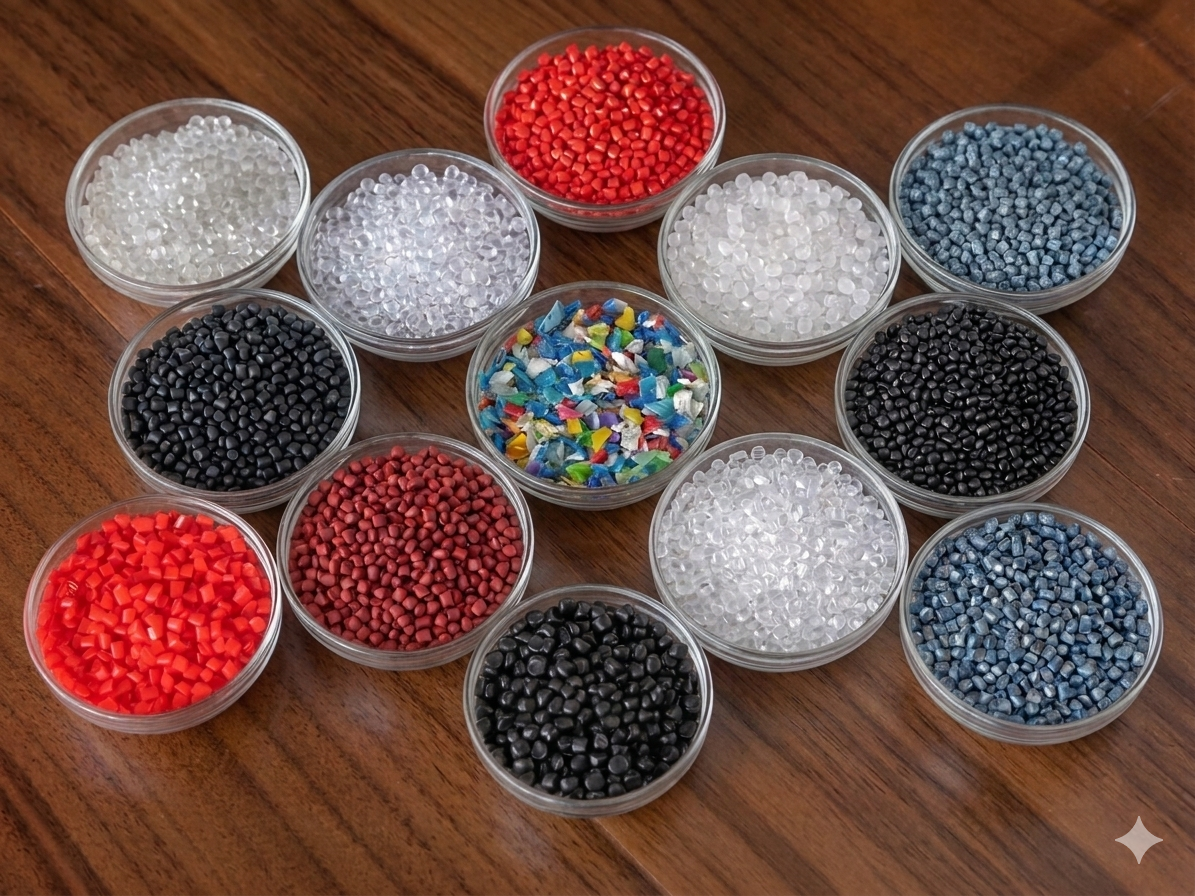
PVC Compound is a material designed to ensure PVC has the required properties. It is produced by adding plasticizers, stabilizers, fillers, colorants, and other additives to the PVC granule form. These compounds optimize the mechanical, thermal, and chemical properties of the material.
Properties of PVC Compound
PVC Compound stands out with the following characteristics:
- Flexibility and Rigidity: It can be produced in a soft or rigid structure depending on the additives used.
- Durability: It shows superior resistance to UV, chemicals, and impact.
- Insulation: It provides both electrical and thermal insulation.
- Color Options: It can be produced in different colors and opacities.
- Easy Processability: It can be easily shaped with production methods such as molding, extrusion, and injection.
Usage Areas of PVC Compound
- Electrical and Electronics
- Cable Covers: Widely used in electrical cables due to its insulation properties and durable structure.
- Plug and Socket Materials: Preferred for its durable structure providing electrical safety.
- Automotive Sector
- Automotive Parts: PVC Compound is used in hoses, gasket systems, and coating materials inside and outside the automobile.
- Wiring Harnesses: Provides durable cable coatings in automotive electronics.
- Building and Construction
- Window Profiles: Ideal for long-lasting and durable window frames.
- Pipe Systems: Used in water, gas, and waste transport systems.
- Floor Coverings: Offers durable flooring solutions in industrial and residential areas.
- Medical Materials
- Medical Hoses: Used in the medical sector with its flexible structure and hygienic properties.
- Blood Bags: Provides a sterile and durable solution.
- Food Packaging
- Shrink Film: Transparent and protective coatings for food packaging and preservation.
- Coating Materials: Protects food from external factors and ensures freshness.
Advantages of PVC Compound
- Cost-Effective: It is an economical alternative compared to other solutions.
- Diversity: It can be produced in flexible and rigid structures, offered in different colors and properties.
- Longevity: Suitable for long-term use thanks to its UV and abrasion resistance.
- Easy Application: Can be produced in various shapes with industrial processing methods.
PVC Compound plays a critical role in many sectors thanks to its versatile structure and durability. It is used in a wide range of applications from industrial to consumer products with flexible, rigid, colored, or customized solutions.
Sustainability and Recycling
While the production of PVC involves chlorine chemistry, the material itself is highly recyclable. End-of-life PVC fittings can be reground and reprocessed into new products, contributing to a circular economy. Modern stabilization packages also avoid heavy metals like lead and cadmium, favoring safer calcium-zinc or tin-based stabilizers.