Industrial Raw Materials

The Building Blocks of
Modern Industry

Discover the essential polymer raw materials — PVC, PE, and PP — that power construction, packaging, automotive, and countless industries worldwide.

Scroll
0
Million Tonnes / Year
0
Core Polymer Types
0
Industry Applications
0
% Recyclable Potential

Raw Materials That Shape Our World

Polymers are large molecules made of repeating structural units called monomers. Among the most commercially significant are PVC, PE, and PP — three versatile materials that form the backbone of modern manufacturing and construction.

🔬

Engineered Performance

Each polymer is engineered for specific mechanical and chemical properties suited to diverse applications.

♻️

Sustainable Future

All three polymers are recyclable, supporting circular economy initiatives worldwide.

🏗️

Industry Backbone

From pipes to packaging, automotive to medical — these materials are indispensable.

Cₙ Hₙ
PVC PE PP

Three Polymers, Infinite Possibilities

Explore the unique characteristics, properties, and applications of each polymer raw material.

PVC

Polyvinyl Chloride

(C₂H₃Cl)ₙ

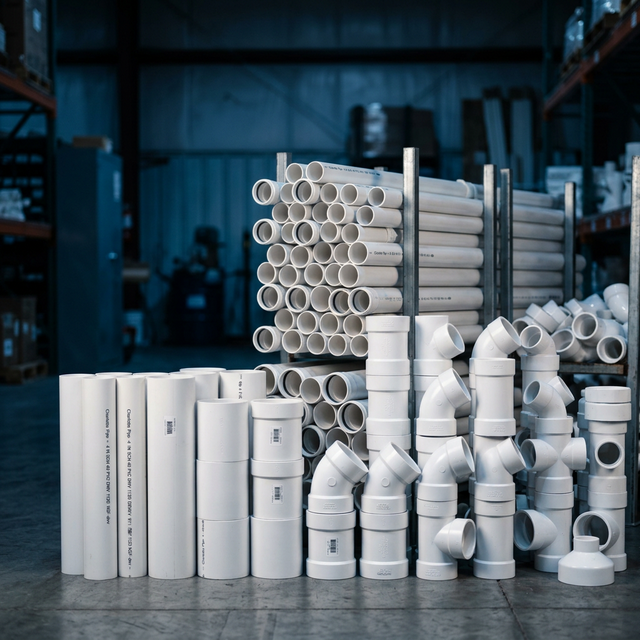
PVC is the third most widely produced synthetic polymer. Known for its exceptional durability, chemical resistance, and versatility, it is extensively used in construction materials like pipes, window profiles, and flooring.
Density
1.3 – 1.45 g/cm³
Melting Point
100 – 260 °C
Tensile Strength
40 – 60 MPa
Recyclable
Yes ♻️
Pipes & Fittings Window Profiles Flooring Cable Insulation Medical Devices
Read Process Guide →
PVC polymer raw material — pipes and construction
PE

Polyethylene

(C₂H₄)ₙ

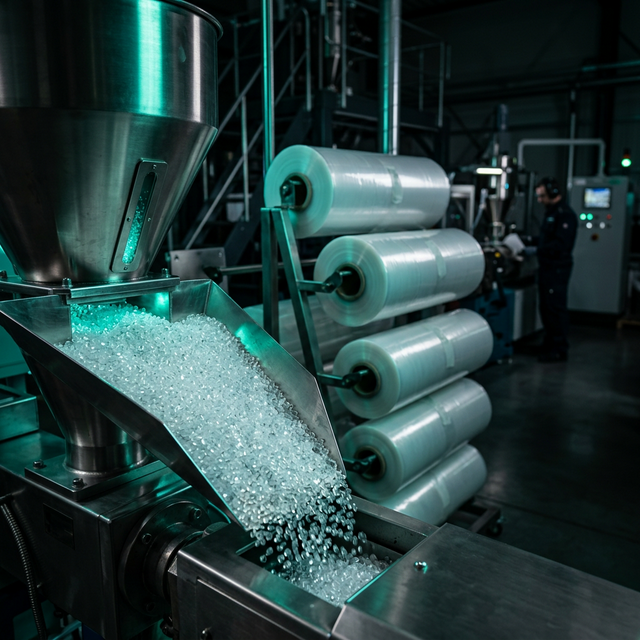
Polyethylene is the most commonly produced plastic in the world. Available in several variants (HDPE, LDPE, LLDPE), it is prized for its flexibility, chemical resistance, and low cost — making it the material of choice for packaging and containers.
Density
0.91 – 0.97 g/cm³
Melting Point
115 – 135 °C
Tensile Strength
20 – 45 MPa
Recyclable
Yes ♻️
Packaging Film Bottles & Containers Grocery Bags Water Tanks Geomembranes
PE polyethylene raw material — packaging and containers
PP

Polypropylene

(C₃H₆)ₙ

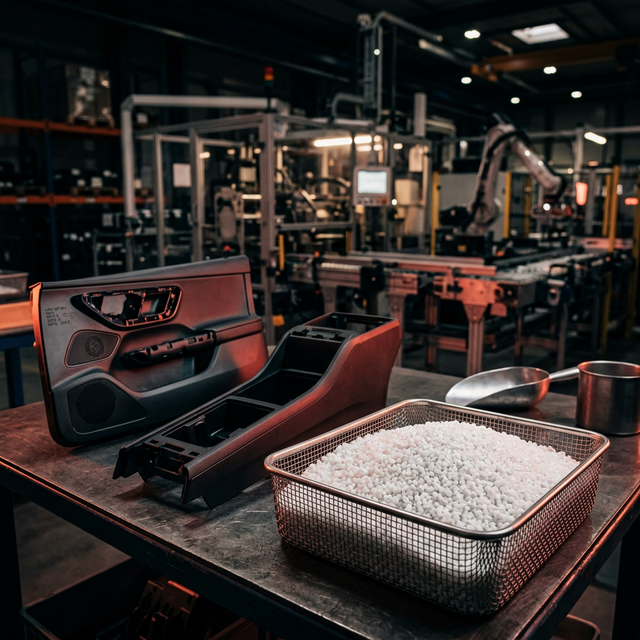
Polypropylene combines excellent chemical resistance with outstanding mechanical properties. Its high fatigue resistance and ability to withstand high temperatures make it ideal for automotive components, textiles, and food-safe packaging.

Density
0.89 – 0.92 g/cm³
Melting Point
130 – 171 °C
Tensile Strength
30 – 40 MPa
Recyclable
Yes ♻️
Automotive Parts Food Containers Textiles & Fibers Lab Equipment Living Hinges
PP polypropylene raw material — automotive and packaging

Material Comparison

Compare the key properties of PVC, PE, and PP to find the right material for your application.

Property PVC PE PP
Full Name Polyvinyl Chloride Polyethylene Polypropylene
Chemical Formula (C₂H₃Cl)ₙ (C₂H₄)ₙ (C₃H₆)ₙ
Density (g/cm³) 1.30 – 1.45 0.91 – 0.97 0.89 – 0.92
Melting Point (°C) 100 – 260 115 – 135 130 – 171
Tensile Strength (MPa) 40 – 60 20 – 45 30 – 40
Water Absorption Low Very Low Very Low
Chemical Resistance Excellent Good Excellent
UV Resistance Good Moderate Low (needs additives)
Cost Low–Medium Low Low
Recyclability Yes (Type 3) Yes (Type 2/4) Yes (Type 5)
Primary Uses Construction, Pipes Packaging, Containers Automotive, Textiles

Industry Applications

From infrastructure to consumer goods, polymer raw materials drive innovation across every major industry.

Construction application of polymers
🏗️

Construction

Pipes, profiles, insulation, flooring, and roofing membranes.

PVC PE
Packaging application of polymers
📦

Packaging

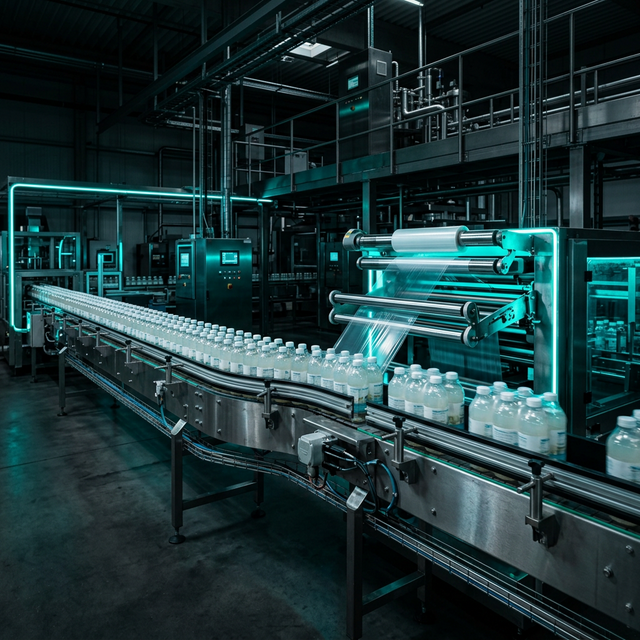
Films, bottles, containers, bags, and shrink wraps.

PE PP
Automotive application of polymers
🚗

Automotive

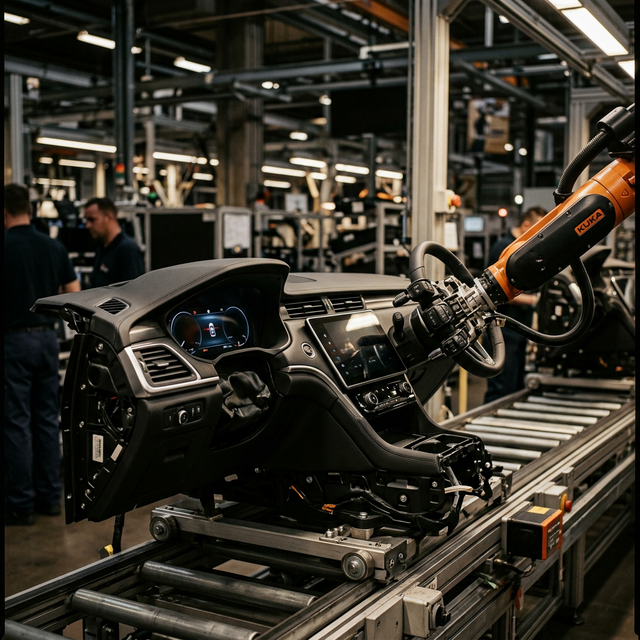
Bumpers, dashboards, fuel tanks, and interior trim.

PP PE
Medical application of polymers
🏥

Medical

Tubing, IV bags, surgical gloves, and medical packaging.

PVC PP